Which magnesium is best?
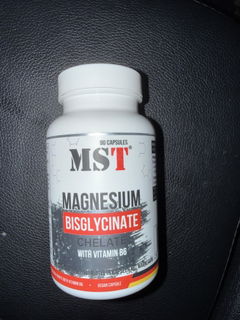
Magnesium is an essential mineral that plays a central role in numerous bodily functions. In this comprehensive overview, we will focus on various forms of magnesium, including magnesium bisglycinate, magnesium glycinate, magnesium chelate, magnesium malate, and magnesium citrate. We will also cover topics such as buying magnesium glycinate, using magnesium glycinate for sleep, the side effects of magnesium citrate, and the risks of a magnesium overdose. Here you can buy magnesium at the best price
Magnesium citrate and its side effects
Magnesium citrate is a widely used form of magnesium, often used to relieve constipation. This particular form of magnesium is especially valued for its high solubility and rapid effects. However, despite its effectiveness, taking magnesium citrate can also cause side effects. In this section, we will examine the most common side effects and possible risks of taking magnesium citrate. We will also discuss the role of pure magnesium and the magnesium content in products such as those from MST Nutrition, which contain 400 mg of magnesium per serving.
Benefits of magnesium citrate
Magnesium citrate is often used for short-term treatment of constipation because it draws water into the intestines and softens the stool. It is also commonly used to prepare for medical examinations of the intestines.
Buy magnesium glycinate
If you are considering buying magnesium glycinate, there are several factors you should consider. The product’s quality, place of manufacture, and purity are crucial to the supplement’s effectiveness.
What should you look for when buying?
-
Purity: Make sure the product contains no unnecessary fillers or additives.
-
Place of manufacture: Products manufactured in Germany, such as those from MST Nutrition, are often of high quality and subject to strict production standards.
-
Reviews and certifications: Read customer reviews and look for certifications that confirm the product's quality.
Magnesium bisglycinate and sleep
Magnesium bisglycinate is known for its potential to improve sleep quality. This is because magnesium has a calming effect on the nervous system and helps relieve muscle tension.
How magnesium bisglycinate supports sleep
-
Relaxation: Glycine, the amino acid that magnesium is bound to, promotes relaxation and may improve sleep.
-
Stress reduction: Magnesium may help lower cortisol levels, a hormone associated with stress.
-
Sleep quality: Many people report improved sleep quality and deeper sleep after taking magnesium bisglycinate.
Magnesium citrate and its side effects
Magnesium citrate is a widely used form of magnesium, often used to relieve constipation. However, despite its effectiveness, it can have side effects.
Possible side effects
-
Diarrhea: Since magnesium citrate acts as a laxative, it can cause diarrhea in some people.
-
Stomach problems: In some cases, it can cause stomach cramps and discomfort.
-
Interactions: Magnesium citrate can affect the absorption of certain medications, so you should always consult a doctor.
Magnesium malate is a compound of magnesium and malic acid, valued especially for its high bioavailability. Malic acid is an organic acid found naturally in many fruits and plays an important role in energy metabolism. Magnesium malate is often used to support muscle and nerve function, relieve fatigue, and promote overall well-being. It may also help with chronic fatigue syndrome (CFS) and fibromyalgia.
Magnesium overdose
Although magnesium is an important nutrient, an overdose can cause health problems.
Symptoms of magnesium overdose
-
Diarrhea: The most common symptom of an overdose.
-
Low blood pressure: In extreme cases, blood pressure can drop to dangerously low levels.
-
Heart problems: Very high magnesium intake can impair heart function and lead to irregular heartbeat.
Possible side effects
Although magnesium citrate is well tolerated by many people, some may experience side effects. The most common side effects include:
-
Diarrhea: One of the best-known side effects of magnesium citrate is diarrhea. This is due to magnesium’s osmotic effect, which draws water into the intestines and speeds up bowel movements. An excessively high dose can cause severe diarrhea, which in turn can lead to dehydration and electrolyte imbalances.
-
Stomach discomfort: Some people report stomach cramps and discomfort after taking magnesium citrate. These symptoms may be caused by magnesium’s irritating effect on the stomach lining.
-
Bloating and gas: Its osmotic effect can also lead to increased gas and bloating, which may cause discomfort for some people.
-
Low blood pressure: In rare cases, a high dose of magnesium citrate can lower blood pressure. This is particularly relevant for people who already have low blood pressure or are taking blood pressure-lowering medications at the same time.
-
Interactions with medications: Magnesium citrate can affect the absorption of certain medications. For example, it can reduce the effectiveness of antibiotics and osteoporosis medications. Therefore, there should be at least two hours between taking magnesium citrate and other medications.
Pure magnesium and its significance
The term "pure magnesium" refers to the amount of the magnesium ion itself in a compound. It is important to understand the difference between the total amount of the magnesium supplement and the pure magnesium content to ensure the correct dosage.
Magnesium in dietary supplements
- Magnesium citrate is just one of many forms in which magnesium can be found in dietary supplements. Other forms include magnesium oxide, magnesium glycinate, magnesium bisglycinate, and magnesium taurate, all of which have different properties and bioavailability.
MST Nutrition and “Made in Germany”
MST Nutrition is a renowned brand specializing in the production of high-quality dietary supplements. Products “Made in Germany” stand for high quality standards and strict controls, ensuring you receive a safe and effective product.
When should you take magnesium?
Magnesium intake may vary depending on individual needs and the desired health benefits. Here are some general recommendations for taking magnesium optimally:
- Time of day:
-
Morning: Some people prefer taking magnesium in the morning to support energy levels and muscle health throughout the day.
-
Evening: Others prefer taking magnesium in the evening because it may have a calming effect and promote sleep, especially magnesium glycinate.
- After meals:
- Ideally, magnesium should be taken with or after a meal to improve absorption and avoid stomach discomfort.
- Dosing schedule:
-
Splitting doses: For higher doses of magnesium, it may be helpful to spread them throughout the day to maximize absorption and minimize the risk of diarrhea.
- Specific health goals:
-
Sleep: To improve sleep quality, it is recommended to take magnesium glycinate about 30 minutes before bed.
-
Muscle relaxation: For muscle cramps or tightness, taking magnesium after exercise or physical activity may be helpful.
- Interactions with medications:
- If you take medication regularly, avoid taking magnesium at the same time, as it may affect the absorption of some medications. It is recommended to leave about 2 hours between them.
- Individual needs:
- Everyone's body is different, so the optimal time to take it may vary. It may be helpful to try taking it at different times and observe how your body responds.
Scientific evidence
Some studies have investigated the specific benefits of taking magnesium at certain times of day:
-
Morning intake: One study showed that taking magnesium in the morning may help improve energy metabolism and reduce fatigue (Walker et al., 2003) .
-
Evening intake: Another study found that taking magnesium glycinate before bed may improve sleep quality in people with insomnia (Abbasi et al., 2012) .
These recommendations are general, and it is always advisable to consult a doctor or nutritionist to find the best intake strategy for your individual needs.
Why Choose MST Nutrition?
-
Quality assurance: Strict controls and high-quality ingredients.
-
Customer reviews: Positive feedback from users confirming the effectiveness of the products.
-
Innovation: Continuous research and development of new, improved formulas.
- MADE IN GERMANY
Conclusion
Magnesium is an essential mineral available in various forms to meet different health needs. Whether you are looking for magnesium bisglycinate for better absorption, magnesium glycinate for better sleep, or magnesium citrate to relieve constipation, it is important to choose the right form for your individual needs.
When buying magnesium supplements, you should pay attention to quality and purity, especially if you choose products from reputable manufacturers such as MST Nutrition. Remember that an overdose of magnesium can pose health risks, and always consult a doctor if you have any questions.
Source
- Magnesium bisglycinate and its bioavailability:
- Schecter, M. (2000). "Chelated Magnesium: An Updated Review." Journal of the American College of Nutrition, 19(2), 232-237. Link
- Magnesium and sleep quality:
- Abbasi, B., Kimiagar, M., Sadeghniiat, K., Shirazi, M. M., Hedayati, M., & Rashidkhani, B. (2012). "The effect of magnesium supplementation on primary insomnia in elderly: A double-blind placebo-controlled clinical trial." Journal of Research in Medical Sciences, 17(12), 1161-1169. Link
- Magnesium citrate and its side effects:
- Schuette, S. A., Lashner, B. A., & Janghorbani, M. (1994). "Bioavailability of magnesium diglycinate vs magnesium oxide in patients with ileal resection." Journal of Parenteral and Enteral Nutrition, 18(5), 430-435. Link
- Magnesium chelate and energy metabolism:
- Walker, A. F., Marakis, G., Christie, S., & Byng, M. (2003). "Mg citrate found more bioavailable than other Mg preparations in a randomised, double-blind study." Magnesium Research, 16(3), 183-191. Link
- Magnesium overdose:
- Rude, R. K., & Shils, M. E. (2006). "Magnesium." In Shils, M. E., Shike, M., Ross, A. C., Caballero, B., & Cousins, R. J. (Eds.), Modern Nutrition in Health and Disease (pp. 223-247). Lippincott Williams & Wilkins. Link


 France
 Austria
 Czech Republic
 Germany
 Netherlands
 Poland
 Spain
Spain Switzerland
 United Kingdom
 Italy
Italy United States
 Ukraine
 Wish list
 Sign up Register